A pathway is a curated route through Mapping Commons. Rather than asking every user to move through the lessons in the same order, pathways bring together lessons from different categories for a specific purpose, audience, or setting.
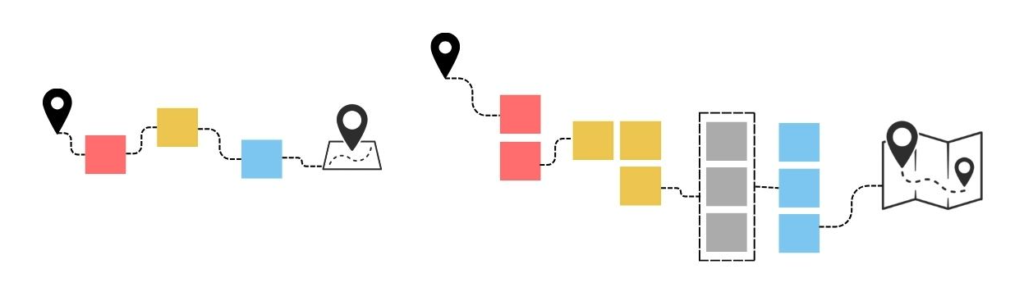
Some pathways might be short, such as a three-lesson sequence for preparing a map for a community meeting. Others might be longer, such as a ten-lesson sequence for an urban analysis or introductory GIS class. Pathways make it possible to use the same lesson library in different ways: for community-based work, classroom teaching, public storytelling, or self-guided learning. The idea also reflects the broader structure of this project: a flexible toolkit that can support both lightweight, beginner-friendly mapping and more sustained learning over time.
-
[Pathway 3] Urban Analysis Class
Audience: Undergraduate or graduate students in urban studies, planning, public policy, or introductory GISLength: 10 lessonsGoal: Build a structured pathway from conceptual foundations to data handling, cartographic literacy, and introductory GIS practice Lessons in this pathway: This pathway follows the logic of a longer classroom sequence. It begins with foundational ideas about why maps matter,…
-
[Pathway 2] Public Storytelling and Advocacy
Audience: Educators, journalists, public humanities projects, community storytellersLength: 5 lessonsGoal: Build a place-based story that uses maps to communicate an issue, history, or public argument Lessons in this pathway: This pathway is designed for people who want to use maps not only to show information, but to tell a story or frame an argument. It…
-
[Pathway 1] Community Meeting Starter
Audience: Community groups, advocates, students supporting public meetingsLength: 3 lessonsGoal: Prepare a simple, readable, community-centered map for discussion, advocacy, or outreach Lessons in this pathway: This pathway begins with the idea that community knowledge should shape what gets mapped and how. It then moves into visual literacy, helping users think about readability, emphasis, and what…

